Category: Articles

THE FIRST 1,000 DAYS OF A HUMAN LIFE

THE FIRST 1,000 DAYS OF A HUMAN LIFE

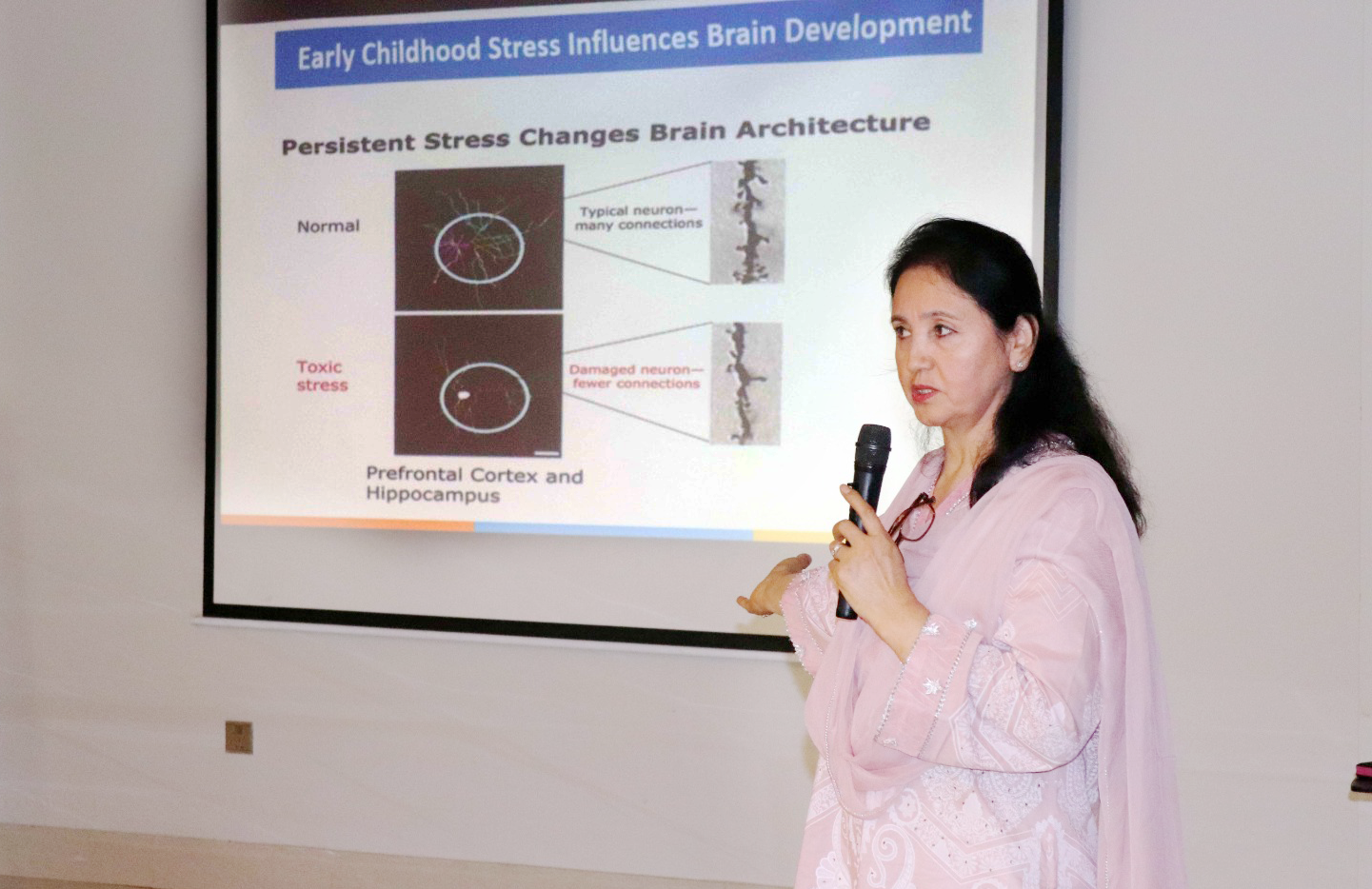
Pakistan’s population just crossed 200 million and, under the current scenarios, it is projected to  reach 400 million by 2050. More than 68 % of this population is under 29 years of age. What is  important about this demographic transition is that it happens only once in the lifetime of  nations, and it is both a potential blessing and a potential curse, depending on how it is  managed. The contrasting examples are Singapore, which invested in its population when it was  young and reaped a hefty demographic dividend, and joined the status of a developed country  within a short period after independence. In contrast, Somalia failed to do so and ended up as a  failed state. Pakistan probably stands somewhere in the middle between a huge demographic  dividend and a demographic time bomb.   Pakistan currently ranks 141 out of 182 countries on the Human Development Index, 124 out of  155 countries on the Gender Development Index, and 125 out of 130 countries on the Global  Human Capital Index. Tragically, Pakistan has slipped to the bottom five countries in the world  for education and skills development, with dismal rates of school enrollment, poor quality of  pre-primary and primary education, low skill diversity among the country’s university graduates,  and a widening gender gap. The country’s literacy rate, which stagnated at around 60% for  almost ten years, has recently declined to 58%, according to the Economic Survey of Pakistan  (2016-2017), and it is much lower in the rural and remote areas, and among women. Female  participation in the labour market is a paltry 22%, or less.   The situation of the young people, the largest and growing demographic segment, and the main  point of this discussion, is even bleaker. Article 25A of the Constitution of Pakistan guarantees  the ‘Right to Education’: [The State shall provide free and compulsory education to all children of  the age of five to sixteen years in such manner as may be determined by law.] Yet, almost 44% of  the children of school-going age, a staggering 22.6 m, are currently out of school, making it the  second-highest out-of-school population in the world. The country has already missed the Net  Primary Enrolment (NPE) and other targets in the Millennium Development Goals (MDGs), and  facing an “extensive learning crises, cutting across literacy, academic performance, enrolment  and attendance or dropout rates” (Pakistan Education Statistics, 2015-16). Pakistan presently  faces multiple challenges in reaching its Sustainable Development Goals (SDGs) particularly 4.2.   According to the State of the Children Report (2016), prepared by the Society for the Protection  of the Rights of the Child (SPARC), nearly half of all children in Pakistan are chronically  malnourished, undermining their mental and physical growth. Among other challenges, the  Report highlights child labor and polio. Pakistan and Afghanistan are the only two countries left  on the Polio-endemic Nations List. Evidence collected by UNICEF and other national and  international organizations also shows an alarming situation. According to their research, nearly  one in ten children die before they reach five years of age. Of these, half die in the first month of   1The Author is an Educationist, presently heading the Early Childhood Development Network of Pakistan (ECDNP),  [email protected]  life. While child mortality has declined slowly since 1990, newborn mortality has actually risen.  Diseases related to water, sanitation, and hygiene, account for 110 deaths of children under-5  every day. Only 33.6% of under-5 children are registered in Pakistan. According to the Global  Nutrition Report 2016, 45% of children under age 5 in Pakistan suffer from stunting. The high  stunting rate deprives around 11 million children from realizing their full physical and mental  potential, which negatively impacts the future of the social and economic development of the  country. Overall, only 52% of deliveries take place in the presence of a skilled birth  attendant. Again, wide disparities exist between rural and urban regions of the country, and  among population segments with differing socioeconomic profiles.  Given the enormity of the problem and the short window of opportunity that is available to  avert a looming demographic disaster, Pakistan needs to leapfrog and follow transformational  strategies. Based on global knowledge and overwhelming national and international experience  and evidence, early childhood development (ECD) is such a strategic entry point.2In particular,  the first 1,000 days of human life, the time spanning roughly between conception and one’s  second birthday, is a unique period of opportunity when the foundations of optimum health,  growth, and neurodevelopment across the lifespan are established. In the first years of life,  neurons in our brain form new connections at the astounding rate of 700–1,000 per second – a  pace never repeated again (UNICEF, et el.).  Early childhood is a critical and important developmental stage of a human life in which a child’s  brain develops rapidly. Nero Science suggests that the brain of a child starts developing from  prenatal stage and continues after birth. A child is born with 100billlion brains cells, which need  proper nurturing through early stimulation and nutrition to help the child in making proper  neural connections/wires and pathways. The years starting from prenatal to 8 are considered to  be the critical window for optimum brain development. This period is not only critical for brain  development rather children during this phase develop holistically (cognitive, physical, social,  emotional, and language development) provided that they are nurtured in a scientific way. Therefore early interventions focussing on the milestones of this developmental stage of the  children need to be developed and implemented. Interventions should be made to ensure  proper pre and postnatal health care, mother and child nutrition, child rearing, early learning  and stimulation.   ECD is emerging as an area of focus and interest, globally. Over the last two decades, Pakistan  has also seen increasing interventions in the area of early and formative education and  development of children in the age group zero to eight years, especially in the private sector.  However, wide variation is found in the understanding and use of ECD terminology, as it is  variously known as early childhood development, early childhood care

Importance of Financial Literacy 2

Importance of Financial Literacy 2

As Pakistan continues to grapple with widespread poverty and inequality, the importance of financial literacy cannot be overstated. However, a survey conducted by the State Bank of Pakistan reveals that a disturbingly low percentage of adults in the country possess basic financial literacy – just 23%. This lack of financial knowledge can have serious consequences, leading to poor financial decision-making and hindering individuals’ ability to achieve their financial goals.Financial literacy is not just important for adults – it is equally crucial for children and young adults. By teaching them about financial concepts and tools from an early age, we can help them develop good money habits and understand the value of saving and investing. Financial literacy can also help children and young adults make informed decisions about how to use their money, such as how to budget for expenses and how to save for the future. By investing in financial literacy for the next generation, we can set them up for financial success and help them make informed financial decisions throughout their lives.Low-income individuals in Pakistan can also benefit from financial literacy, as it can help them make the most of their limited resources and improve their financial well-being. By increasing their financial knowledge, these individuals can make the most of their limited resources and improve their financial well-being. For example, financial literacy can help them identify and avoid financial scams, choose affordable financial products, and create a budget to stretch their money further.Financial literacy is also important for retirees in Pakistan, who can benefit from understanding how to manage their retirement savings and income, such as how to invest their savings and how to manage their expenses in retirement. This can help them maintain their financial security and independence in their later years.Small business owners in Pakistan can also benefit from financial literacy, as it can help them understand financial concepts such as cash flow, profit and loss, and budgeting. This knowledge can help them make informed decisions about how to manage their business finances and grow their business, which can in turn create more job opportunities and contribute to economic growth in the country.Using financial literacy as a tool for different segments of society can lead to financial inclusion, which is a significant challenge in Pakistan. Financial inclusion refers to the ability of individuals and communities to access and use financial products and services. Thus, financial literacy can help individuals and communities overcome barriers to financial inclusion.In addition to enabling financial inclusion, financial literacy can also contribute to economic inclusion, which refers to the ability of individuals and communities to participate in and contribute to the economic life of their society. This is particularly important in Pakistan, where unemployment is a significant problem. According to the Pakistan Bureau of Statistics, the unemployment rate in Pakistan was 8.3% in 2021, which translates to around 7.8 million unemployed people in the country.By promoting financial literacy and enabling financial inclusion, we can help create a more economically inclusive society in Pakistan. When businesses have access to credit and financing, they can invest in their operations, hire more employees, and expand their businesses, which can help create more job opportunities and contribute to economic growth.In addition to enabling financial inclusion and contributing to economic inclusion, financial literacy also has the power to promote social inclusion in Pakistan. By improving individuals’ and communities’ economic well-being and reducing income inequality, financial literacy can help create a more cohesive society and enable everyone to participate fully in the social and cultural life of their community.According to the World Bank, the country’s Gini coefficient, which measures income inequality, was 0.34 in 2018, indicating a moderate level of inequality. In addition, an estimated 30% of the population of Pakistan lives below the national poverty line, with poverty being particularly prevalent in rural areas and among certain social groups, such as women and children.To address these issues, it is important for individuals and communities in Pakistan to have access to a range of financial products and services that can help them improve their economic and social well-being. By increasing financial literacy and promoting financial inclusion, more people participate in the formal financial system, such as by opening bank accounts, taking out loans, or investing in stocks or other financial instruments. This can help them access a broader range of financial services and products, which can improve their economic and social well-being and participate fully in the social and cultural life of their society.In short, financial literacy is a key tool for promoting inclusion in Pakistan. By increasing financial literacy, Pakistan can work towards financial inclusion, economic inclusion, and social inclusion, leading to a stronger, more prosperous society.The State Bank of Pakistan recognized the importance of financial literacy and took the initiative to support and enhance the financial literacy ecosystem in Pakistan; the National Institute of Banking & Finance(NIBAF) launched National Financial Literacy Program for Youth(NFLP-Y) at the behest of the State Bank of Pakistan.The NFLPY aims to educate young people about financial concepts and tools and to help them develop healthy money habits that will enable them to make informed financial decisions and achieve their financial goals.Through this program, the State Bank of Pakistan is taking an important step toward increasing financial literacy and helping build a more financially inclusive and prosperous society in Pakistan. Moreover, incorporating financial literacy into the National Curriculum in Pakistan can be a powerful tool for improving the financial well-being of individuals and communities, promoting economic and social inclusion, and contributing to the country’s economic growth.

Importance of Financial Literacy 1

Importance of Financial Literacy 1

”It’s not how much money you make, but how much money you keep, how hard it works for you, and how many generations you keep it for.” – Robert KiyosakiMastering the art of saving is about more than just setting aside a portion of your paycheck. It requires a solid understanding of financial management and the ability to make informed decisions about spending, saving, investing, and borrowing. Unfortunately, financial knowledge is not second nature for many people, making it difficult for them to effectively manage their finances.According to Standard & Poor’s Global Financial Survey, only 33% of individuals worldwide are financially educated. This number is far lower in Pakistan than the global average; with barely 13% of the population holding a formal bank account.More than half (53%) of the adult population in Pakistan is financially excluded, according to the “Access to Finance” survey conducted by the State Bank of Pakistan (SBP) in 2015. Financial exclusion, as defined by the SPB, is a need for more access to formal financial services such as payments, savings, credit, and insurance services that are of sufficient quality to meet their requirements with respect and dignity.In this regard, only 2.4% of the population has access to credit through the more traditional financial institutions. The majority of Pakistanis are still unfamiliar with financial management ideas such as budgeting, saving, and investing. As a result, many Pakistanis lack fundamental skills related to money management and financial planning.With Pakistan ranking #16 out of 26 countries with the lowest financial literacy rate, this has become a nationwide problem, especially when over 63% of the population is under the age of 30. When compared to other countries, Pakistan scores poorly on many measures of financial inclusion, particularly those related to savings and investment. In this context, bolstering public trust in financial institutions through increased financial literacy may encourage people to save more money and make more investments in the long run.This impartment of financial literacy should begin at a very early age. Research shows that children’s financial attitudes, habits, and norms form between the ages of 6 and 12. These behaviors, whether positive or negative, are reinforced and maintained over time, having a long-lasting effect on their own lives and those related to them.As a young girl growing up in a low-income village in Pakistan, Sarah always felt the weight of financial insecurity. Like many other families in her community, her parents were struggling to make ends meet.It wasn’t until Sarah left her village to attend university that she had the opportunity to take a course on financial management. She was immediately struck by how much she had been missing out on by not having a basic understanding of financial concepts earlier in her life.Looking back, Sarah wishes that she had been given the opportunity to learn about financial literacy at a younger age. “I strongly believe that if a basic financial management course had been introduced in my village’s primary or secondary school, I could have helped my parents with their financial problems much sooner since they weren’t educated,” she said.“I’m grateful for the education I received at university, but I wish I had learned about these important concepts earlier in life.”There are millions of such stories in Pakistan that hint at a change in the education system. Government and other entities have a key role to play in making financial knowledge accessible to the public, starting from basic-level education.Considering the need to improve financial literacy amongst the masses, the State Bank of Pakistan took the initiative to support and enhance the financial literacy ecosystem in Pakistan; the National Institute of Banking & Finance(NIBAF) launched National Financial Literacy Program for Youth(NFLP-Y) at the behest of the State Bank of Pakistan.NIBAF conducted thousands of face-to-face training sessions in more than 68 districts of Pakistan, reaching 1 million students and 0.6 million using online platformsi.e. PomPak which highlighted the importance of financial education. NFLP Y’s overall experience highlighted that financial literacy in children can be substantiated by the fact that financial attitudes, habits, and norms have been developed between the ages of 13 and 18 (grades 6 to 12). Therefore, children must be taught about money and healthy money habits from an early age.To address this need, the National Institute of Banking and Finance hired the services of the Pakistan Alliance for Early Childhood (PAFEC) to develop financial literacy (FL) curriculum to be included in the National Curriculum from grades 1 to 12.How did PAEFC go about developing this curriculum?First and foremost, the PAFEC team first created a Financial Literacy curriculum development template based on the framework of the National Curriculum for selected subjects at the primary and secondary levels. The curriculum was then developed around 12 pillars of financial literacy: Money, Expenses, Income, Purchasing, Savings, Banking, Investment, Financial Planning, Financing, Entrepreneurship, Inflation, and Insurance.To ensure the curriculum was effective, the PAFEC team took inspiration and ideas from the standalone courses of the National Financial Literacy Program for Youth (NFLPY) and the State Bank of Pakistan. They also looked at the existing National Curriculum for financial literacy integration and used examples and best practices from South Asia and South East Asia. The consultants used this information to create a matrix-based curriculum that suggested ways to improve financial literacy in the current curriculum.After receiving feedback from the NIBAF and subject specialists, the PAFEC team finalized the curriculum. They made sure that it was consistent with the central goal of the NFLPY and that the curriculum and pedagogical approaches were in line with the national learning framework on financial literacy standards. The guidelines for the curriculum were designed to make it interesting and engaging for students, relevant and efficient for instructors, parents, and students, and in line with the school curriculum.An improved National Curriculum with the incorporation of courses related to financial literacy will be a crucial step in equipping the next generation with the skills they need to become financially independent. Financial knowledge lays a foundation for students to build healthy

2-1 مالیاتی خواندگی کی اہمیت

2-1 مالیاتی خواندگی کی اہمیت

جیسا کہ  پاکستان آج کل  وسیع پیمانے پر غربت اور عدم مساوات سے دوچار ہےاس لیے مالیاتی خواندگی کی اہمیت کو بیان کرنے میں مبالغہ آرائی نہیں کی جا سکتی۔ تاہم، اسٹیٹ بینک آف پاکستان (SBP)  کےایک سروے سے پتہ چلتا ہے کہ ملک میں بالغ افراد کی مالیاتی شرح خواندگی پریشان کن حد تک کم یعنی صرف 23% ہے- مالیات کے متعلق علم کی اس  حد تک کمی کے سنگین نتائج ہو سکتے ہیں، جس کے نتیجے میں کمزور مالیاتی فیصلہ سازی اور اپنے مالی اہداف کو حاصل کرنے کی افرادی صلاحیت میں رکاوٹ پیدا ہوسکتی ہے۔ مالی خواندگی صرف بالغوں کے لیے ہی نہیں بلکہ بچوں اور نوجوانوں کے لیے یکساں طور پر اہم ہے۔ انہیں ابتدائی عمر سے ہی مالیاتی تصورات اور وسائل کے بارے میں تعلیم دے کر، ہم پیسے کے متعلق مثبت عادات پیدا کرنے اور بچت اور سرمایہ کاری کی قدر کو سمجھنے میں ان کی مدد کر سکتے ہیں۔ مالی خواندگی بچوں اور نوجوانوں کو پیسے کے استعمال کے بارے میں باضابطہ فیصلے کرنے میں بھی مدد کر سکتی ہے، جیسے کہ اخراجات کے لیے بجٹ کیسے بنایا جائے اور مستقبل کے لیے کیسے بچت کی جائے۔ اگلی نسل کی مالیاتی خواندگی میں سرمایہ کاری کر کے، ہم ان کی مالی کامیابی اور زندگی بھر باضابطہ مالی فیصلے کرنے میں ان کی مدد کر سکتے ہیں۔ پاکستان میں کم آمدنی والے افراد بھی مالیاتی خواندگی سے مستفید ہو سکتے ہیں، کیونکہ اس سے انہیں اپنے محدود وسائل سے زیادہ سے زیادہ فائدہ اٹھانے اور اپنی مالی حالت کو بہتر بنانے میں مدد مل سکتی ہے۔ اپنے مالی علم میں اضافہ کر کے، یہ افراد اپنے محدود وسائل سے زیادہ سے زیادہ فائدہ اٹھا سکتے ہیں اور اپنی مالی حالت کو بہتر بنا سکتے ہیں۔ مثال کے طور پر، مالیاتی خواندگی انہیں مالی گھپلوں کی شناخت اور ان سے بچنے، سستی مصنوعات کا انتخاب  کرنے اور اپنے پیسے کو مزید بڑھانے کے لیے بجٹ بنانے مدد دے سکتی ہے۔ پاکستان میں ریٹائر ہونے والوں کے لیے بھی   مالیاتی خواندگی اہم ہے، جو اپنی ریٹائرمنٹ کی بچت اور آمدنی کو منظم کرنے کے طریقہ کو سمجھ سکتے ہیں، جیسے کہ اپنی بچت سے کیسے سرمایہ کاری کرنی ہے اور ریٹائرمنٹ میں اپنے اخراجات کا انتظام کیسے کرنا ہے۔ اس سے انہیں آئندہ سالوں میں مالی تحفظ اور آزادی کو برقرار رکھنے میں مدد مل سکتی ہے۔ پاکستان میں چھوٹے کاروباری مالکان بھی مالیاتی خواندگی سے فائدہ اٹھا سکتے ہیں، کیونکہ اس سے انہیں مالیاتی تصورات جیسے کہ نقد بہاؤ، منافع اور نقصان، اور Budgetingکو سمجھنے میں مدد مل سکتی ہے۔ یہ علم انہیں اپنے کاروباری مالیات کو منظم کرنے اور اپنے کاروبار کو بڑھانے کے بارے میں باضابطہ فیصلے کرنے میں مدد دے سکتا ہے، جس کے نتیجے میں ملازمت کے مزید مواقع پیدا ہو سکتے ہیں اور ملک میں اقتصادی ترقی میں مدد مل سکتی ہے۔ معاشرے کے مختلف طبقات کے لیے مالیاتی خواندگی کو ایک آلے کے طور پر استعمال کرنا مالی شمولیت کا باعث بن سکتا ہے، جو کہ پاکستان میں ایک اہم چیلنج ہے۔ مالی شمولیت سے مراد افراد اور برادریوں کی مصنوعات اور خدمات تک رسائی اور استعمال کرنے کی صلاحیت ہے۔ اس طرح، مالیاتی خواندگی مالی شمولیت کی راہ میں حائل رکاوٹوں کو دور کرنے میں افراد اور برادریوں کی مدد کر سکتی ہے۔ مالی شمولیت کو فعال بنانے کے علاوہ،مالیاتی خواندگی، اقتصادی شمولیت میں بھی حصہ ڈال سکتی ہے، جس سے مراد معاشرے کی معاشی زندگی میں افراد اور برادریوں کے حصہ لینے اور اس میں حصہ ڈالنے کی صلاحیت ہے۔ یہ پاکستان کے لیے خاص طور پر اہم ہے، جہاں بے روزگاری ایک اہم مسئلہ ہے۔ پاکستان ادارہ شماریات کے مطابق، 2021 میں پاکستان میں بے روزگاری کی شرح 8.3 فیصد تھی، جس کا مطلب ہے کہ ملک میں تقریباً 7.8 ملین بے روزگار افراد ہیں۔ مالیاتی خواندگی کو فروغ دے کر اور مالی شمولیت کو فعال بنانے سے پاکستان میں معاشی طور پر مزید جامع معاشرہ بنایا جا سکتا ہے۔ جب کاروباری اداروں کو قرض اور مالیات تک رسائی حاصل ہوتی ہے، تو وہ اپنے کاموں میں سرمایہ کاری کر سکتے ہیں، مزید ملازمین بھرتی کر کے اپنے کاروبار کو بڑھا سکتے ہیں، جس سے ملازمت کے مزید مواقع پیدا کرنے اور اقتصادی ترقی میں مدد مل سکتی ہے۔ مالیاتی شمولیت کو فعال بنانے اور اقتصادی شمولیت میں حصہ ڈالنے کے علاوہ، مالیاتی خواندگی پاکستان میں سماجی شمولیت کو فروغ دینے کی طاقت بھی رکھتی ہے۔ افراد اور برادریوں کی معاشی بہبود کو بہتر بنا کر اور آمدنی میں عدم مساوات کو کم کرتے ہوئے مالی خواندگی مزید مربوط معاشرہ بنانے میں مدد کر سکتی ہے اور ہر ایک کو اپنی برادری کی سماجی اور ثقافتی زندگی میں مکمل طور پر حصہ لینے کے قابل بنا سکتی ہے۔ عالمی بینک کے مطابق، ملک کا) (Gini coefficientگینی کوفیشنٹ، جو کہ آمدنی میں عدم مساوات کی پیمائش کرتا ہے، 2018 میں 0.34 تھا، یہ معتدل سطح پر  عدم مساوات کو ظاہر کرتا ہے۔ اس کے علاوہ، ایک اندازے کے مطابق پاکستان کی 30 فیصد آبادی  غربت کی لکیرسے نیچے زندگی بسر کرتی ہے، غربت خاص طور پر دیہی علاقوں اور بعض سماجی گروہوں، جیسے خواتین اور بچوں میں پائی جاتی ہے۔ ان مسائل کو حل کرنے کے لیے، پاکستان میں افراد اور برادریوں کے لیے یہ ضروری ہے کہ وہ  ان مالیاتی مصنوعات اور خدمات تک رسائی حاصل کریں جو ان کی معاشی اور سماجی بہبود کو بہتر بنانے میں ان کی مدد کر سکتی ہیں۔ مالیاتی خواندگی میں اضافہ کرنے اور مالی شمولیت کو فروغ دینے سے زیادہ سے زیادہ لوگ رسمی مالیاتی نظام میں بینک اکاؤنٹ کھول کر، قرض لے کر، یا اسٹاک یا دیگر مالیاتی ذرائع میں سرمایہ کاری کر کے حصہ لیں گے۔ اس سے انہیں مالیاتی خدمات اور مصنوعات کی وسیع سلسلے تک رسائی حاصل کرنے میں مدد مل سکتی ہے، جو ان کی معاشی اور سماجی بہبود کو بہتر بنا سکتی ہے اور معاشرے کی سماجی اور ثقافتی زندگی میں پوری طرح سے حصہ لے سکتی ہے۔ مختصراً، مالیاتی خواندگی پاکستان میں شمولیت کو فروغ دینے کا ایک اہم ذریعہ

1-1 مالیاتی خواندگی کی اہمیت

1-1 مالیاتی خواندگی کی اہمیت

“اہم یہ نہیں ہے کہ آپ کتنا پیسہ کماتے ہیں بلکہ یہ ہے کہ آپ کتنا بچاتے ہیں، یہ آپ کے لئے کتنا فائدہ  مند ہے اور آپ اسے کتنی نسلوں کے لئے چھوڑ کر جارہے ہیں” – رابرٹ کیوساکی بچت کے فن میں مہارت حاصل کرنا صرف اپنی تنخواہ کے چیک کے ایک حصے کو الگ کرنے سے کہیں زیادہ ہے۔ اس کے لیے مالیاتی نظم و نسق کی ٹھوس سمجھ  بوجھ ، اور اخراجات، بچت، سرمایہ کاری، اور قرض لینے کے بارے میں متوقع فیصلے کرنے کی صلاحیت کی ضرورت ہوتی ہے۔ بدقسمتی سے، مالیاتی علم بہت سے لوگوں کی فطرت کا حصّہ نہیں ہے، جس کی وجہ سے ان کے لیے اپنے مالیاتی امور کو مؤثر طریقے سے سنبھالنا مشکل ہو جاتا ہے۔ ‘Standard and Poor’ کے عالمی مالیاتی سروے کے مطابق، دنیا بھر میں صرف 33% افراد مالیات کے متعلق علم رکھتے ہیں۔ پاکستان میں یہ تعداد عالمی اوسط سے بہت کم ہے۔ بمشکل 13% آبادی کے پاس رسمی بینک اکاؤنٹ ہے۔ اسٹیٹ بینک آف پاکستان (SBP) کی جانب سے 2015 میں کیے گئے “Excess to Finance” سروے کے مطابق، پاکستان میں بالغ آبادی کا نصف سے زیادہ (53%) مالی اخراج کا شکار ہے۔ SBP کے مطابق مالیاتی اخراج سے مراد ، رسمی مالیاتی خدمات جیسے ادائیگی، بچت،قرض، اور بیمہ جیسی خدمات تک مزید رسائی کی ضرورت ہے جو عزت اور وقار کے ساتھ اپنی ضروریات کو پورا کرنے کے لیے کافی معیاری ہیں۔ اس سلسلے میں، صرف 2.4٪آبادی کو  روایتی مالیاتی اداروں کے ذریعے قرض تک رسائی حاصل ہے۔ پاکستانیوں کی اکثریت ابھی بھی مالیاتی انتظام کے نظریات جیسے بجٹ سازی، بچت اور سرمایہ کاری سے ناواقف ہے۔ نتیجے کے طور پر، بہت سے پاکستانیوں میں معاشی اور مالیاتی منصوبہ بندی سے متعلق بنیادی مہارتوں کی کمی ہے۔ سب سے کم مالی خواندگی کی شرح کے ساتھ 26 ممالک میں سے پاکستان کےسولہویں نمبر پر ہونے کی وجہ سے یہ ایک ملک گیر مسئلہ بن گیا ہے، خاص طور پر جب 63% سے زیادہ آبادی کی عمر 30 سال سے کم ہے۔ جب دوسرے ممالک سے مقابلہ کیا جائے تو مالی شمولیت کے بہت سے پیمانوں خاص طور پر بچت اور سرمایہ کاری سے متعلق پیمانوں پرپاکستان کی کارکردگی ناقص ہے۔اس تناظر میں، مالیاتی خواندگی میں اضافہ کے ذریعے مالیاتی اداروں پر عوامی اعتماد کو تقویت دینا، لوگوں کو زیادہ پیسہ بچانے اور طویل مدت میں مزید سرمایہ کاری کرنے کی ترغیب دے سکتا ہے۔ مالیاتی خواندگی کی یہ تربیت بہت کم عمری میں شروع ہونی چاہیے۔ تحقیق سے پتہ چلتا ہے کہ بچوں کے مالیات سے متعلق رویے، عادات اور اصول 6 سے 12 سال کی عمر کے درمیان بنتے ہیں۔ یہ رویے، خواہ مثبت ہوں یا منفی،برقرار رہتے ہیں اور وقت کے ساتھ ساتھ مضبوط ہوتے ہیں، جو ان کی اپنی اور ان سے متعلق لوگوں کی زندگی پر دیرپا اثر ڈالتے ہیں۔  پاکستان کے ایک کم آمدنی والے گاؤں میں پرورش پانے والی ایک نوجوان لڑکی کے طور پر، سارہ نے ہمیشہ مالی عدم تحفظ کا بوجھ محسوس کیا۔ اس کی برادری کے بہت سے دوسرے خاندانوں کی طرح، اس کے والدین بھی اپنا پیٹ بھرنے کے لیے جدوجہد کر رہے تھے۔ یہاں تک کہ سارہ نے یونیورسٹی جانے کے لیے اپنا گاؤں چھوڑا کیونکہ  اسے فنانشل مینجمنٹ پر کورس کرنے کا موقع ملا۔ اسے فوری طور پر اس بات نے متحیر کیا کہ وہ اپنی زندگی میں پہلے سے ہی مالیاتی نظریات کی بنیادی سمجھ بوجھ نہ رکھنے کی وجہ سے کتنا کچھ گنوا رہی تھی۔ ماضی کو یاد کرتے ہوئے سارہ خواہش کرتی ہے کہ اسے چھوٹی عمر میں مالی خواندگی کے بارے میں جاننے کا موقع دیا جانا چاہیےتھا۔ “میں پختہ یقین رکھتی ہوں کہ اگر میرے گاؤں کے پرائمری یا سیکنڈری اسکول میں مالیاتی انتظام کا ایک بنیادی کورس متعارف کرایا جاتا، تو میں اپنے والدین کے مالی مسائل میں بہت جلد مدد کر سکتی تھی کیونکہ وہ تعلیم یافتہ نہیں تھے۔” “میں یونیورسٹی میں حاصل کی گئی تعلیم پہ مشکور ہوں، لیکن کاش میں نے زندگی میں ان اہم تصورات کے بارے میں سیکھا ہوتا۔” پاکستان میں ایسی لاکھوں کہانیاں ہیں جو تعلیمی نظام میں تبدیلی کا اشارہ دیتی ہیں۔ حکومت اور دیگر اداروں کا بنیادی تعلیم کے آغاز سے ہی مالیاتی تعلیم کی عوام تک رسائی میں کلیدی کردار ہے۔ عوام میں مالی خواندگی کو بہتر بنانے کی ضرورت کو مدنظر رکھتے ہوئے، اسٹیٹ بینک آف پاکستان نے پاکستان میں مالیاتی خواندگی کے ماحولیاتی نظام کی حمایت اور بڑھوتری میں  پہل کی۔ نیشنل انسٹی ٹیوٹ آف بینکنگ اینڈ فنانس (NIBAF) نے اسٹیٹ بینک آف پاکستان کے حکم پر نوجوانوں کے لیے نیشنل فنانشل لٹریسی پروگرام (NFLP-Y) کا آغاز کیا۔ نیباف نے پاکستان کے 68 سے زائد اضلاع میں ہزاروں بالمشافہ تربیتی نشستوں کا انعقاد کیا، جس میں 10 لاکھ طلباء نے شرکت کی اور 0.6 ملین تک آن لائن پلیٹ فارمز یعنی پ Pompak کا استعمال کیا گیا جس نے مالیاتی تعلیم کی اہمیت کو اجاگر کیا۔ NFLP-Y کے اس مجموعی تجربے نے اس بات پر روشنی ڈالی کہ بچوں میں مالی خواندگی کو اس حقیقت سے ثابت کیا جا سکتا ہے کہ مالیاتی رویے، عادات اور اصول 13 اور 18 سال کی عمر یعنی چھٹی سےبارہویں جماعت تک بن جاتے ہیں۔ لہذا، بچوں کو کم عمری سے ہی پیسے اور پیسے سے متعلق مثبت عادات کے بارے میں سکھایا جانا چاہیے۔ اس ضرورت کو پورا کرنے کے لیے، NIBAF نے  (PAFEC) Pakistan Alliance for Early Childhood کی خدمات حاصل کیں تاکہ مالیاتی خواندگی (FL) کا نصاب تیار کیا جا سکے جس کو پہلی جماعت  سے بارہویں تک قومی نصاب میں شامل کیا جائے۔ PAFEC نے اس نصاب کو کیسے تیار کیا؟ سب سے پہلے PAFEC ٹیم نے پرائمری اور سیکنڈری سطحوں پر منتخب مضامین کے قومی نصاب کی ساخت پر مبنی مالیاتی خواندگی کے نصاب  کا سانچہ بنایا۔ اس کے بعد مالیاتی خواندگی کے 12 ستونوں یعنی پیسہ، اخراجات، آمدنی، خریداری، بچت، بینک کاری، سرمایہ کاری، مالیاتی منصوبہ بندی، مالیات، کاروباری نظامت، افراط زر، اور بیمہ  کا احاطہ کرتے ہوئے نصاب تیار کیا گیا۔  نصاب کے مؤثر ہونے کو یقینی بنانے کے لیے، پی